
Explore the rich history and strategic depth of Mahjong, a game that has captured the imaginations of millions across the globe.
Understanding the Basics of Mahjong
Mahjong is an ancient game that has evolved into various styles, most notably the Chinese, Korean, Japanese, and American versions. The game typically involves four players and is played with a set of 144 tiles, although this can vary by variation. The objective is to build a winning hand, which is usually a combination of sets and pairs.
The Origin and Evolution of Mahjong
Originating in China during the Qing dynasty, Mahjong has a rich cultural heritage. It was initially played by the upper class and only made popular among the general population later on. By the 1920s, the American variation began to emerge as it found its way across the Pacific, reflecting cultural integration and adaptation.
Components of a Mahjong Set
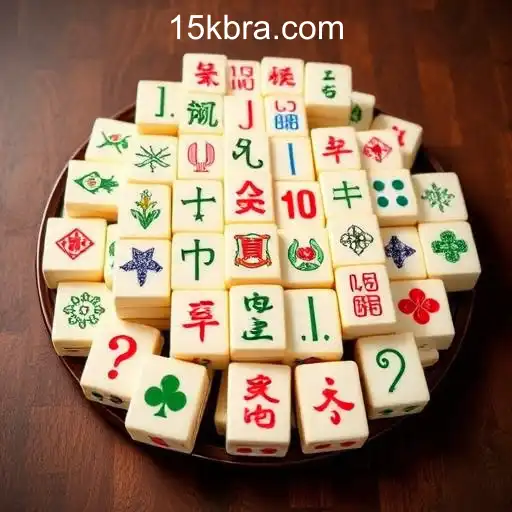
In a standard Mahjong set, you will find tiles divided into three suits: Bamboo, Characters, and Dots, each ranging from one to nine. There are also Honor tiles, consisting of Winds and Dragons, and in some variations, Season and Flower tiles are included. This setup offers a vast landscape for strategic play, demanding a keen mind and deft hand in tile manipulation.
Playing Mahjong: Rules and Strategies
Understanding the rules and strategies of Mahjong can be a daunting task for beginners. The key to mastering Mahjong lies in recognizing tile patterns, memorizing different hands, and making strategic decisions based on the tiles available and the discards from other players.
The Essence of the Game
Players begin by drawing and discarding tiles with the goal of completing a Mahjong hand. The standard winning hand consists of four sets and one pair, though this can vary slightly depending on the rule set being used. Sets can be either a sequence of three consecutive numbers in the same suit, known as Chi, or a triplet of identical tiles, known as Pong.
Mahjong and Its Cultural Significance
Mahjong is not just a game; it is a cultural phenomenon. In China, it represents skill and fortune, often associated with social gatherings and family seasons. It plays a significant role in New Year celebrations, weddings, and other communal festivities, serving as a bridge between modern entertainment and traditional ceremony.
- Chinese Mahjong: Characterized by its simplicity, this style is closest to the original game.
- Japanese Mahjong: Known for its complexity, this variation includes scoring bonuses such as Riichi.
- American Mahjong: Features include the use of jokers and the Charleston redirect.
Adapting Mahjong to the Digital Era
With the advent of technology, Mahjong has seamlessly transitioned into the digital space. Online platforms and mobile apps have emerged, allowing enthusiasts to play against opponents from around the world or practice their skills in single-player modes.
15K.com Oficial Slots Brasil #1: Bridging Traditional Games with Modern Gaming
The website 15K.com Oficial Slots Brasil #1 caters to a broad range of gaming aficionados, including those with an affinity for traditional games like Mahjong. The platform serves as a unique intersection of classic and contemporary gaming, fostering an environment where cultural games meet online innovation.
The Future of Mahjong
As Mahjong continues to gain international popularity, additional adaptations and rulesets will likely emerge, thereby enriching the landscape of the game. Competitive Mahjong tournaments have been successfully hosted globally, showing the game's capability to bring people together across cultures and continents.